Effective animal rehabilitation is a process which involves learning about animals and their environment and applying that knowledge to methods of caring so that animals are able to return to the wild as complete and capable individuals. Some important aspects to consider for potential carers are knowledge and training, equipment, licensing, level of committment and motivation
You must be 18 years or over to be a carer or have an adult carer supervise you.
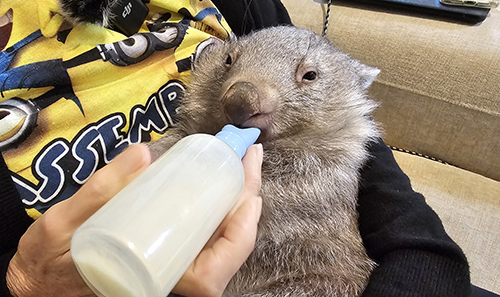
Knowledge and Training
Prospective carers will need to have an extended knowledge of every aspect of animal care.
The minimum requirement of ACT Wildlife Incorporated in terms of training is:
- Orientation and First Aid / Infection control (Full day course).
- Basic bird care course. It is preferable for beginner carers to do the basic bird course, as the majority of animals coming into care are birds. Carers need to meet the basic requirements to care for native animals.
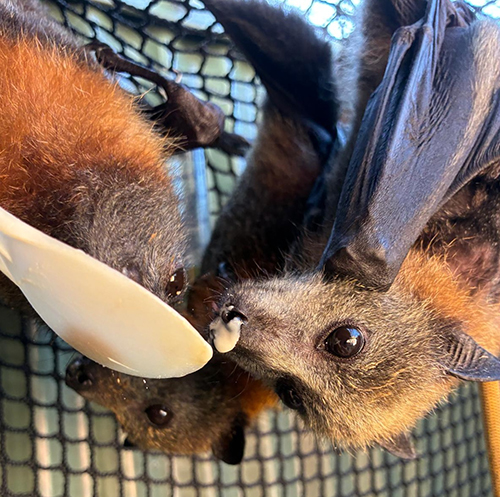
- There is further training available in other species such as possums, bats, lizards, macropods (such as wallabies) and raptors. Training is also supplied for other volunteering ‘jobs’, such as phone training.
Previous experience in caring with wildlife and further training can be discussed and assessed individually.
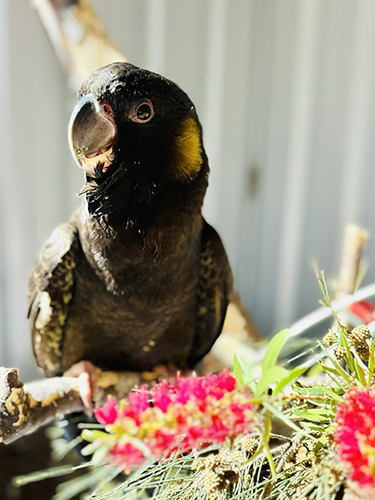
Equipment
On successful completion of your training, you will be able to care for wildlife in your own home.
We will advise you on the specific equipment depending on the type of animal you want to care (adequate home environment, aviary size, etc.) Some equipment is available for loan.
Before starting to care for your first animal, your equipment will be assessed.
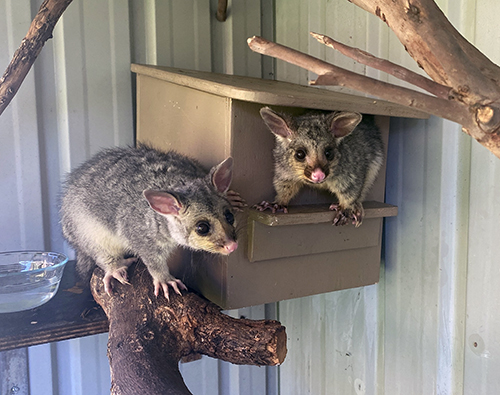
Licensing
In the ACT it is illegal to keep a wild animal more than 48 hours. To keep an animal for rehabilitation you need to have a licence and be a financial member of a licensed wildlife organisation in your state or territory. See the link for licences wildlife organisation in your area at www.fauna.org.au
You need to reside in the ACT to care for native animals in the ACT.
ACT Wildlife Incorporated is fully licensed to care for and rehabilitate native wildlife in the ACT. To become a member, complete the annual membership application form here and pay the annual fee.
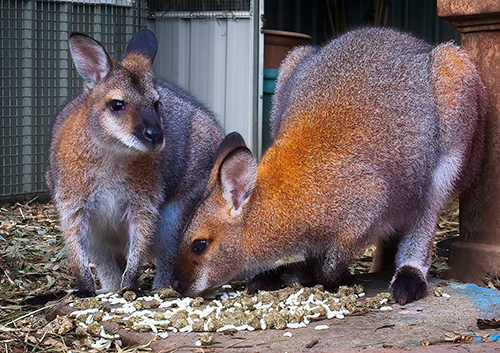
Level of Committment
The type of commitment depends on your home situation; a full-time job with children may leave too little time for caring. A considerable amount of time is needed for day-to-day management in areas of cleaning, maintenance and breeding of food supplies, preparation of housing, general observation and care of an animal. More time is required for trips to and from the vet, organising same species companions for your animals and rescuing and releasing them.
Answering the Wildlife phone can be challenging, interesting and rewarding, exposing members to a wide range of scenarios and people. The phone is an important part of the organisation – if the phone is not answered, animals are not rescued.
Motivation